Key takeaways
- Find the best battery sales with confidence. Learn where battery sales appear, when to stock up, which types to watch, and how to judge value before you buy.
Best Battery Sales: A Buying Guide to Finding Real Value
The best battery sales are not the ones with the loudest headlines. They are the ones that match the batteries you actually use, arrive before you run out, and leave you with fresh cells that still have years of shelf life left. A battery is a small purchase, yet most households use dozens of them every year across remote controls, toys, flashlights, smoke detectors, clocks, wireless mice, game controllers, and cameras. When you buy them one small pack at a time, at the moment a device stops working, you pay more per cell and you waste time. When you plan ahead, you can stock the sizes you need and stop thinking about batteries for months at a time.
This guide explains how to find the best battery sales, where they tend to appear, when to look for them, and how to tell a genuinely useful battery sale from a pack that only looks like a bargain. The quick answer is simple: start with an inventory of the sizes your home uses, focus on AA and AAA first because they cover most devices, compare every offer by cost per cell rather than by pack size alone, check the expiry date and the seller before you buy, and buy in quantities you will use well before the batteries expire. If you follow that sequence, most battery sales become easy to judge in a few minutes.
Quick Picks
| Product | Best For | Key Spec |
|---|---|---|
| Duracell Coppertop AA Batteries, 28 Count (B0B1DF9NVJ) | Everyday household devices | Alkaline AA, 28 count, 12-year storage guarantee, re-closable pack |
How to Choose the Best Battery Sales
Start With the Battery Types Your Home Actually Uses
Before you look at any battery sale, open the battery compartments in your home and make a short list. Most homes run mainly on AA and AAA batteries. Remote controls, wireless mice and keyboards, clocks, toys, and many flashlights use AA or AAA cells. Larger devices such as lanterns, radios, and some toys use C or D batteries. Smoke detectors and some guitar pedals and multimeters use 9V batteries. Cameras, watches, key fobs, and small electronics often use coin cells such as CR2032, while hearing aids use very small zinc-air cells in numbered sizes.
Write down each size and roughly how many you use in a year. That list is your buying plan. It stops you from buying a large pack of a size you rarely need simply because the pack looks like a good value, and it helps you spot the sales that matter to you. If your list is almost entirely AA and AAA, then the best battery sales for you are AA and AAA sales. If you also use C, D, or 9V cells, add one pack of each to your plan and watch for sales that include those sizes, rather than buying them separately at full cost later.
Know Where Battery Sales Appear
Battery sales appear in many places, and each place suits a different kind of buyer. Large online retailers often list multi-packs of AA and AAA batteries, including bulk cartons that are hard to find in a local shop. Warehouse clubs sell very large packs that suit families, offices, and anyone who wants to stock up once and forget about batteries for a long while. Drugstores and supermarkets run frequent promotions on smaller packs, which suit a buyer who needs one pack right away. Electronics shops and hardware shops often feature batteries alongside flashlights, tools, and seasonal goods.
A useful habit is to check two or three places before a large stock-up, rather than buying from the first place you look. Compare the same size, the same chemistry, and the same count. If one place offers a 28-count pack and another offers a 48-count pack, work out the cost per cell for each, so the comparison is fair. Keep a short note of the cost per cell you are willing to accept for AA and AAA alkaline batteries, and use it as your benchmark whenever a new battery sale appears.
Learn When to Look for Battery Sales
Battery sales follow the calendar more than many shoppers realise. The start of the school year brings demand for batteries in calculators, clocks, and classroom supplies. The holiday season brings demand for batteries in toys, decorations, remote controls, and game controllers. Storm season brings demand for batteries in flashlights, lanterns, and radios. The start of a new year brings a wave of organisation and home maintenance, including smoke detector battery changes and remote control refreshes.
You do not need to wait for a holiday to buy batteries. A better approach is to keep a small reserve at home and to restock when you notice a sale on the sizes you use, rather than waiting until the drawer is empty. If you know that the holiday season will bring several battery-powered gifts into your home, buy your AA and AAA stock a few weeks before that season starts. If you live in an area with winter storms, check your flashlight and lantern batteries before the storm season, not during it. Planning ahead in this way turns a battery sale from an impulse buy into a planned purchase.
Judge a Battery Sale by Cost Per Cell, Not by Pack Size
The most common mistake in battery shopping is judging a sale by the size of the pack. A 48-count pack is not automatically better value than a 28-count pack, and a 16-count pack is not automatically worse value than a 24-count pack. The fair comparison is cost per cell: divide the total cost of the pack by the number of batteries in it, and compare that figure across packs of the same size and chemistry.
To use this method, keep the comparison clean. Compare AA alkaline with AA alkaline, AA lithium with AA lithium, and AAA with AAA. Do not compare an alkaline pack with a lithium pack on cost per cell alone, because lithium cells last longer in high-drain and cold-weather use and are meant for different jobs. Do not compare a rechargeable pack with a single-use pack on cost per cell alone either, because a rechargeable cell can be used many times and needs a charger. Within the same type, however, cost per cell is the clearest measure of value.
Understand Shelf Life and Storage Before You Stock Up
Shelf life is the hidden factor in every battery sale. Alkaline batteries from major brands often carry a storage guarantee of around 10 to 12 years, which means a large pack bought today can still be useful years from now if it is stored correctly. Lithium batteries often keep even longer. Rechargeable nickel-metal hydride batteries hold their charge for months, but they are a different product with different storage needs, and they slowly lose charge even when they are not used.
Before you buy a large pack, check the expiry date or the best-before date on the listing or on the pack when it arrives. A fresh pack should have years of life left. If a pack arrives with a short remaining life, contact the seller rather than using the cells in a critical device. For smoke detectors, medical devices, and emergency flashlights, always use fresh batteries with a long remaining life, and replace them on a schedule rather than waiting for the device to fail.
A large pack only saves money if you use the cells before they expire. For most households, a 28-count or 48-count pack of AA batteries is easy to use within a year or two. A 100-count or larger carton suits a larger household, an office, or a school, but it can be too much for a single person who uses only a few batteries a month. Buy the quantity that matches your real use, and let shelf life guide the size of the pack, not the other way around.
Choose Between Alkaline, Lithium, and Rechargeable Batteries
Alkaline batteries are the workhorse of the household. They are widely available, they work in almost every AA and AAA device, and they keep for years in storage. For remote controls, clocks, toys, and other everyday devices, alkaline batteries are usually the right choice, and they are the type most often featured in battery sales.
Lithium batteries are the specialist choice. They are lighter than alkaline batteries, they perform better in cold weather, and they last longer in high-drain devices such as cameras, trail cameras, and bright flashlights. They also keep for a very long time in storage, which makes them a good choice for emergency kits and for devices that sit unused for months. Lithium batteries cost more per cell than alkaline batteries, so they are best reserved for the devices where their longer life and cold-weather performance matter. Buying lithium batteries in a battery sale makes sense when you have a specific high-drain or cold-weather use in mind.
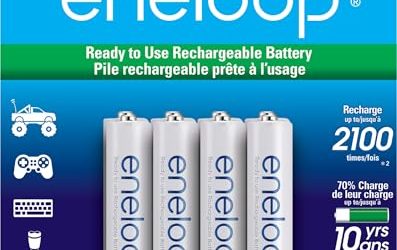
Rechargeable nickel-metal hydride batteries are the long-term choice for devices that drain batteries quickly. A game controller, a wireless mouse, a camera flash, or a child’s favourite motorised toy can go through many sets of single-use batteries in a year. Rechargeable cells, paired with a good charger, can replace hundreds of single-use cells over their life. The upfront cost is higher, and you need a charger, but the long-term cost per use is lower for high-drain devices. Rechargeable batteries are not the best choice for a smoke detector or a device that sits unused for a year, because they slowly lose charge in storage, but for daily-use devices they are hard to beat.
Duracell Coppertop AA Batteries, 28 Count (B0B1DF9NVJ)

The Duracell Coppertop AA Batteries in the 28-count pack are a straightforward choice for everyday household use. These are alkaline AA batteries, the size most homes use most often, in a re-closable pack that keeps the unused cells together in a drawer. The listing describes Power Boost ingredients for lasting performance in everyday devices, and a storage guarantee of 12 years, so a pack bought as part of a planned stock-up should remain ready for use for a long time when stored correctly.
This pack suits a household that wants one reliable AA supply for many devices at once. Remote controls, toys, flashlights, clocks, radios, wireless mice and keyboards, calculators, and smoke detectors are all listed as typical uses for this battery, and that breadth is the point: one pack covers the devices a family reaches for every week. The 28-count size is large enough to feel like a real stock-up, yet small enough for a single household to use well before the batteries approach the end of their storage life. The re-closable packaging also helps here, because it keeps the remaining cells organised and protected rather than loose in a drawer.
The key spec to note is the chemistry and the size: alkaline, AA, 1.5 volts, single use, 28 cells in the pack. Alkaline AA batteries are not rechargeable, so this pack is for single-use household power, not for a rechargeable setup. That is the right fit for low-drain and mixed-drain household devices, and for anyone who wants a simple drawer stock that works in almost any AA device without a charger or extra planning.
Who should skip this pack? Anyone who needs a different size should skip it and buy that size instead, because an AA battery cannot replace a AAA, C, D, or 9V cell. Anyone who runs a high-drain device every day, such as a game controller or a camera flash, may prefer rechargeable batteries for that one device, while keeping this alkaline pack for everything else. Anyone who needs lithium performance in extreme cold or in a trail camera should look at lithium AA batteries for that specific device, rather than expecting an alkaline cell to do a lithium cell’s job.
What to Check Before You Buy
Before you complete any battery purchase, run through a short checklist. First, confirm the size: AA, AAA, C, D, 9V, or coin cell, and make sure it matches the device. A battery that is almost the right size is the wrong battery. Second, confirm the chemistry: alkaline, lithium, or rechargeable nickel-metal hydride, and make sure it matches the device and the use. Third, confirm the count: the number of batteries in the pack, so you can work out the cost per cell and so you know how many devices you can supply.
Fourth, check the seller and the listing details. Buy from a seller you recognise, read the product title in full, and confirm that the pack size, the chemistry, and the count in your cart match the pack you compared. Fifth, check the expiry date when the pack arrives, and keep the packaging until you have confirmed the count and the condition of the cells. If a pack arrives damaged, short, or close to expiry, contact the seller promptly.
Sixth, think about safety and disposal. Keep batteries away from children, store coin cells securely because they are a swallowing hazard, and never try to recharge a single-use alkaline or lithium battery. Never dispose of batteries in a fire, and never mix old and new batteries in the same device. Recycle used batteries through a local battery recycling programme where one is available, and keep a small container at home for used cells so they do not end up loose in a drawer with fresh ones.
Frequently Asked Questions
What are the best battery sales for a family home?
The best battery sales for a family home are usually AA and AAA alkaline multi-packs, because those two sizes cover remote controls, toys, clocks, flashlights, and wireless devices. Start with the sizes you use most, compare offers by cost per cell, and choose a pack size you will use before the batteries expire. A 28-count AA pack is a practical stock-up size for many households, while a larger carton suits a bigger household or an office.
When is the best time to buy batteries?
The best time to buy batteries is before you need them, when you notice a sale on the sizes you use. Seasonal patterns can help: look before the holiday season for toy batteries, before storm season for flashlight and lantern batteries, and before the school year for calculator and classroom batteries. Keeping a small reserve at home and restocking during a sale, rather than waiting until the drawer is empty, is the simplest timing strategy.
Are lithium batteries worth it in a battery sale?
Lithium batteries are worth considering when you have a device that needs them, such as a trail camera, a camera flash, a smoke detector, or a device used in cold weather. They last longer in high-drain use and keep for a long time in storage. They cost more per cell than alkaline batteries, so they are best reserved for those specific uses, while alkaline batteries cover everyday household devices.
How many batteries should I buy at once?
Buy the quantity you will use before the batteries expire. For most households, a 28-count or 48-count pack of AA batteries is easy to use within a year or two. A very large carton suits a large household, an office, or a school. If you use only a few batteries a month, a smaller pack is the better buy, even if the cost per cell is slightly higher, because unused batteries that expire are not a saving.
How should I store batteries bought in a battery sale?
Store batteries in a cool, dry place, in their original packaging or in a battery organiser, away from metal objects. Do not store them in a hot garage or a damp basement. Keep sizes separate, use the oldest fresh stock first, and replace all batteries in a device at the same time. For emergency kits, check the batteries on a schedule and replace them before they expire.
Bottom Line
The best battery sales reward planning, not impulse buying. Know the sizes your home uses, focus on AA and AAA first, compare every offer by cost per cell within the same chemistry, check the expiry date and the seller, and buy a quantity you will use before the cells expire. Alkaline batteries cover most household needs, lithium batteries cover high-drain and cold-weather devices, and rechargeable batteries cover devices that drain cells every day. With that plan in place, a battery sale becomes a simple decision: the right size, the right chemistry, the right quantity, at a cost per cell you are happy with. Stock the drawer once, store the cells correctly, and you will not need to think about batteries again for months.
Disclosure: As an Amazon Associate, we may earn from qualifying purchases.
FAQ
What are the best battery sales for a family home?
When is the best time to buy batteries?
Are lithium batteries worth it in a battery sale?
How many batteries should I buy at once?
How should I store batteries bought in a battery sale?
More from Amazon
Programs that pair well with the guide above. Offers and eligibility are set by Amazon and may change.
Free shipping on eligible items, Prime Video and more. Eligible new members can start with a free trial.
Start a Prime free trialAudiobooks and podcasts to listen to on the go. Eligible new members can start with a free trial.
Try Audible freeAd-free music streaming. Eligible new subscribers can start with a free trial.
Try Music Unlimited freeA free business account with business pricing and bulk-buying tools for work, shop or home office.
Create a business accountAs an Amazon Associate we earn from qualifying purchases.