Key takeaways
- For vegetables, choose a loose, dark, compost-rich soil that drains well, then add fertilizer only to cover what the soil and crop actually need.
For vegetables, choose a loose, dark, compost-rich soil that drains well, then add fertilizer only to cover what the soil and crop actually need. Good soil does most of the work, and fertilizer is a supplement, so the order of decisions is soil first, a soil test second and feeding third.
That order saves money and prevents the most common beginner problem, which is stacking bag after bag of plant food onto soil that cannot hold water or air. The sections below explain what to look for on a bag, how to read a fertilizer label, and how to match both to the crops you plan to grow in the 2026 season.
What Vegetables Want From Soil
Vegetables are quick, hungry growers. Their roots need air, steady moisture and a supply of nutrients that releases over a whole season. Soil that is too sandy drains fast and starves plants. Soil that is mostly clay holds water, compacts and can suffocate roots. The goal is a crumbly texture, a mix of mineral particles and organic matter that feels like a dark, moist sponge when squeezed and falls apart when poked.
Most vegetables prefer a slightly acidic to neutral soil, commonly described as a pH between about 6 and 7. Outside that range, nutrients can be present but locked up. A basic soil test, from a home kit or your local cooperative extension office, tells you the pH and often the main nutrient levels, and it is the single most useful step before buying anything.
Choosing the Right Soil Product
Garden soil versus topsoil
Bagged topsoil is mostly mineral soil and is sold to fill low spots or add volume. It can be heavy and low in organic matter. Garden soil is typically blended with compost or other organic material, which makes it a better starting point for planting beds. Read the ingredient list on the bag rather than relying on the name.
Raised bed and container mixes
Raised beds drain faster than ground-level plots, so mixes designed for them combine soil, compost and drainage material. Containers need a lighter, potting-style mix because a heavy garden soil can compact in a pot. Do not fill pots with soil from the yard.
Compost as the foundation
Compost improves nearly every soil. It loosens clay, helps sandy soil hold moisture and feeds soil life. Look for a product that smells earthy, not sour, and is dark and crumbly. Many gardeners work in a layer a couple of inches deep before planting each season.
What to avoid on the label
Be wary of bags that list undefined wood fines as the only ingredient, mixes that smell strongly of ammonia, and products that promise instant results. Bags that include added fertilizer can be convenient, but they make it harder to control feeding, especially if you also use a separate plant food.
Reading a Fertilizer Label
Every fertilizer lists three numbers, such as 5-5-5 or 10-10-10. They stand for nitrogen, phosphorus and potassium. Nitrogen drives leafy growth, phosphorus supports roots and flowering, and potassium helps overall plant health and fruiting. A balanced formula is a reasonable default, while a soil test can show whether one nutrient is already high.
Fertilizers come in two broad families. Organic options, such as composted manure, bone meal and plant meals, release nutrients slowly as soil life breaks them down. Synthetic options provide nutrients in a form plants can use quickly. Both can work; the practical difference is speed, smell, cost and how easy they are to overapply.
Soil and Fertilizer Comparison
| Choice | Best for | Watch out for |
|---|---|---|
| Compost | Improving structure and moisture in any bed | Immature compost that smells sour |
| Bagged garden soil | Filling new in-ground beds | Heavy, low-organic bags sold as topsoil |
| Raised bed mix | Fast-draining boxes | Needs regular watering and feeding |
| Slow-release organic fertilizer | Steady feeding through the season | Slow to respond early in spring |
| Quick-release synthetic fertilizer | Correcting a visible deficiency | Burning roots if overapplied |
| Liquid feed | Container vegetables and fast boosts | Needs repeating, easy to overuse |
Matching Feeding to the Crop
Heavy feeders such as tomatoes, corn, squash and cabbage-family plants use a lot of nutrients and respond to compost at planting plus a mid-season side-dressing. Light feeders such as beans, peas, radishes and many herbs prefer leaner soil. Too much nitrogen on beans or tomatoes can produce lush leaves with few pods or fruits.
Apply fertilizer according to the package instructions and water it in. If leaves yellow, growth stalls or fruit fails to set, look at watering, light and pH before assuming the soil needs more fertilizer. More is not better, since salts from heavy feeding can damage roots.
Before You Buy Checklist
- Test your soil pH and nutrient levels, or send a sample to a local extension service.
- Decide whether you are filling a raised bed, planting in the ground or growing in containers.
- Choose a soil or mix with visible organic matter and a clear ingredient list.
- Plan for compost every season, not just on day one.
- Pick one fertilizer type and read the application rate before you start.
- Match the feeding plan to your crops, with more for heavy feeders and less for light ones.
Putting It Together in a New Bed
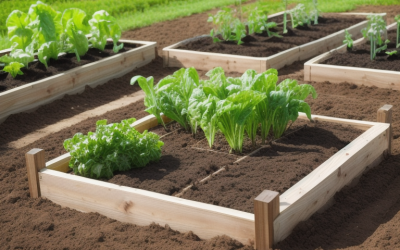
A reliable recipe for a new raised bed is roughly equal parts garden soil and finished compost, with a handful of drainage material such as coarse sand or perlite if the mix feels dense. Fill the bed a little above the rim, because soil settles after the first few waterings. Rake the surface level, water it thoroughly and let it rest for a few days before planting so you can see how it drains.
For an in-ground plot, skip the idea of replacing the native soil. Instead, loosen the top eight to twelve inches, spread two to three inches of compost over the surface and fork it in. Over successive seasons, add a fresh layer each spring. This approach builds structure gradually and tends to produce better results than a single heavy dose of fertilizer.
Containers are different. They need a lightweight mix designed for pots, since it holds air and drains in a limited space, and they usually need more frequent feeding because nutrients wash out with every watering. A slow-release product mixed in at planting, topped up with a liquid feed during peak growth, is a common routine.
When you add fertilizer, scatter it around the plant rather than against the stem, work it lightly into the top layer and water it in. For heavy feeders, a second application when flowers or young fruit appear is typical, while leafy crops benefit from smaller, more frequent feedings earlier in the season. Keep notes on what you applied and when, so that problems later in the season are easier to trace.
Finally, rotate crops from one year to the next. Planting the same family in the same bed repeatedly can drain particular nutrients and encourage soil-borne problems. Moving tomatoes, beans and leafy crops around the beds keeps the soil more balanced and reduces the amount of fertilizer you need to add back.
Related guides
- Black Friday Vs Cyber Monday Which Has Better Deals
- How To Stack Amazon Coupons With Subscribe And Save
- How To Use Amazon Price History To Spot Real Deals
Frequently Asked Questions
Can I use potting mix in a raised bed?
Yes, though it can be costly for large beds. A blend of garden soil, compost and a drainage component is usually more economical and holds nutrients well.
How often should I fertilize vegetables?
It depends on the product and the crop. Slow-release products may last much of the season, while liquid feeds are repeated more often. Follow the label and adjust based on how plants look.
Is organic fertilizer better than synthetic?
Neither is automatically better. Organic types feed the soil gradually and are harder to overapply, while synthetic types act faster. Many gardeners combine compost with a measured feed.
What does it mean if my plants have yellow leaves?
Yellowing can come from low nitrogen, overwatering, poor drainage or disease. Check soil moisture and drainage first. If you are unsure, a soil test or local extension advisor can help narrow it down.
FAQ
Can I use potting mix in a raised bed?
How often should I fertilize vegetables?
Is organic fertilizer better than synthetic?
What does it mean if my plants have yellow leaves?
More from Amazon
Programs that pair well with the guide above. Offers and eligibility are set by Amazon and may change.
Free shipping on eligible items, Prime Video and more. Eligible new members can start with a free trial.
Start a Prime free trialAudiobooks and podcasts to listen to on the go. Eligible new members can start with a free trial.
Try Audible freeAd-free music streaming. Eligible new subscribers can start with a free trial.
Try Music Unlimited freeA free business account with business pricing and bulk-buying tools for work, shop or home office.
Create a business accountAs an Amazon Associate we earn from qualifying purchases.