Key takeaways
- To start a vegetable garden as a beginner, pick a spot that gets at least six hours of direct sun, start small.
To start a vegetable garden as a beginner, pick a spot that gets at least six hours of direct sun, start small, with a bed of roughly four by eight feet or a few large containers, fill it with loose, compost-rich soil, and plant a handful of forgiving crops at the right time for your climate. Everything else, from fancy tools to elaborate layouts, can wait until you have seen one season through.
Most first gardens fail from ambition, not from lack of talent. People plant too much, too early, in too much shade, and then lose interest when weeds and watering pile up. The plan below keeps the project small enough to enjoy and gives you a repeatable sequence for next year.
Choose the Spot and Size
Walk your yard at midmorning and again in the afternoon and note where the sun lands. Tomatoes, peppers, squash, beans and most root crops want full sun, while leafy greens tolerate some shade. Pick a location close to a water source and close to your kitchen door, because gardens you pass daily get tended and gardens at the back of the lot get ignored.
Size matters more than most beginners expect. A bed that you can reach into from both sides, about four feet wide, means you never have to step on the soil. A modest plot of around thirty-two square feet is plenty for a first season. If you lack ground space, large containers or grow bags on a patio can hold peppers, tomatoes, herbs and lettuce.
Build the Foundation
Prepare the soil
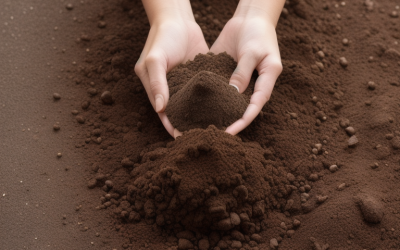
Remove grass and weeds, loosen the top several inches with a fork, and mix in a few inches of compost. Soil should crumble in your hand. If your soil is heavy clay or very sandy, compost is the best fix. A simple soil test from a local extension office or a home kit can tell you the pH and nutrient levels, which most vegetables like to be near neutral.
Decide between ground, raised beds and containers
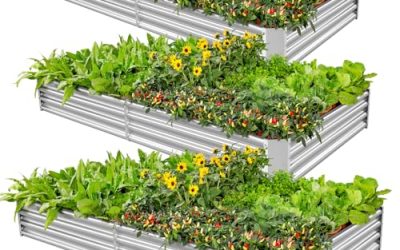
In-ground gardens are cheapest. Raised beds warm earlier in spring, drain well and make weeds easier to control. Containers give you the most flexibility but dry out quickly. Choose based on your yard conditions and budget, not on what looks best online.
Set up watering
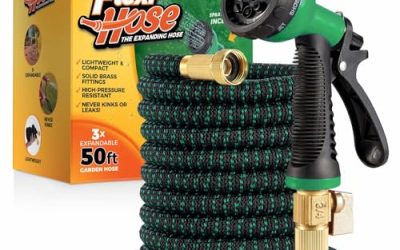
Vegetables need steady moisture, and a simple routine beats a complicated system. Water deeply a few times a week rather than lightly every day, aiming at the base of the plant and not the leaves. A soaker hose or a watering can is enough. Add a couple of inches of mulch such as straw or shredded leaves to hold moisture and suppress weeds.
Gather a short tool list
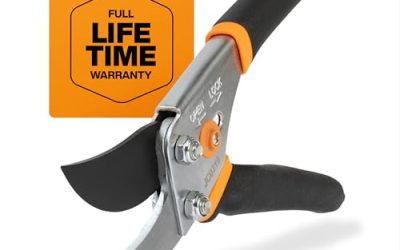
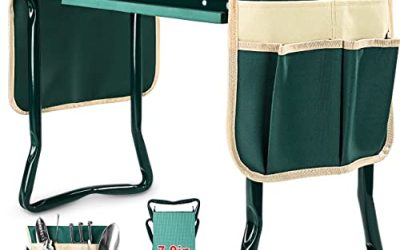
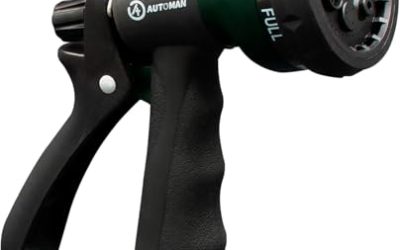
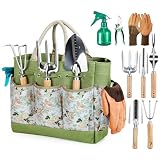
A trowel, a hand fork, a hose or can, a pair of gloves and garden snips are enough. Skip the specialty gadgets until you know what you will actually use.
Pick Crops That Forgive Beginners
Choose plants that grow quickly, tolerate mistakes and give a satisfying harvest. Lettuce, radishes, bush beans, zucchini, cherry tomatoes, herbs and peas are common starting points. Start with five or six types rather than twenty. If you buy transplants for tomatoes and peppers and sow seed directly for beans, radishes and lettuce, you cover most of the season with little fuss.
| Crop | Difficulty | Start from | Notes |
|---|---|---|---|
| Radishes | Very easy | Seed | Fast harvest, cool weather |
| Lettuce and salad greens | Easy | Seed | Tolerates partial shade, harvest leaves often |
| Bush beans | Easy | Seed | Sow after frost, no trellis needed |
| Zucchini | Easy | Seed or transplant | Needs space, produces generously |
| Cherry tomatoes | Moderate | Transplant | Needs support and steady watering |
| Herbs such as basil | Easy | Transplant or seed | Good in containers |
Plan the Calendar
Timing is set by your last spring frost date, which you can find through a local extension service or a regional garden calendar. Cool-season crops such as lettuce, peas and radishes go in several weeks before that date. Warm-season crops such as tomatoes, beans and squash wait until the soil has warmed and frost danger has passed. In 2026, as in any year, local weather swings matter more than the calendar, so watch the forecast and keep a cover handy for unexpected cold nights.
Stagger your sowing. Plant a short row of lettuce or beans every two weeks so you do not face a glut of everything at once. When one crop finishes, replace it with another, such as a late round of greens.
Before You Start Checklist
- Confirm the spot receives six or more hours of direct sun.
- Mark out a bed you can reach across without stepping on the soil.
- Work compost into the top layer of soil.
- Find your local last frost date and write down planting dates.
- Choose five or six easy crops and buy seeds or transplants.
- Set up a simple watering plan and gather mulch.
Care Through the Season
Check the garden for a few minutes every day. Weed while the weeds are small, thin seedlings that are crowded, and support tomatoes and other climbers with stakes or cages before they sprawl. Look under leaves for pests early, since hand-picking or a spray of water solves many problems when caught quickly.
Harvest often. Beans, zucchini and greens keep producing when picked regularly and slow down if left to over-ripen. Keep notes on what grew well, what failed and when, since those notes are the best guide for next season.
Common Beginner Problems and Simple Fixes
Plants look yellow or stunted
Overwatering, poor drainage and low nitrogen are the usual causes. Check the soil a couple of inches down before watering, and make sure beds and pots drain. If the soil is fine and growth is pale, a light feeding with compost or a balanced fertilizer often helps.
Pests and holes in leaves
Look under leaves each morning and remove caterpillars and beetles by hand, or knock aphids off with a stream of water. A floating row cover protects young plants from many insects. Healthy, well-watered plants resist damage better than stressed ones.
Weeds take over
Weeds are the biggest time sink for new gardeners. Mulch bare soil after planting, weed for ten minutes after rain when roots pull easily, and avoid letting weeds flower and drop seed. A small bed makes this manageable.
Too much, too fast
Zucchini and beans can overwhelm a beginner. Share extras with neighbors, freeze or preserve what you can, and plant fewer plants next time. Staggered planting spreads the harvest across more weeks.
What to Do After the First Season
When the harvest winds down, clear spent plants, add compost to the beds and consider a cover crop or a layer of leaves to protect the soil over winter. Review your notes: which crops thrived, which struggled, which were not worth the space. Rotate plant families to different beds the following year so that tomatoes, squash and beans do not sit in the same spot twice in a row.
From there, expand gradually. Add one new crop, one more bed or a simple trellis, rather than doubling the garden. Gardeners who grow a little more each year tend to keep going, and those who start with the full dream plot often burn out by midsummer. Success in the first season is mostly about learning your sunlight, your soil and your own schedule, and a small garden teaches all three without overwhelming you.
Related guides
- How To Choose Garden Soil And Fertilizer For Vegetables
- Black Friday Vs Cyber Monday Which Has Better Deals
- How To Stack Amazon Coupons With Subscribe And Save
Frequently Asked Questions
How much sun does a vegetable garden need?
Most fruiting vegetables need six to eight hours of direct sun. Leafy greens and herbs can manage with less, so shadier spots can still be useful.
When should I start planting?
Plan around your last spring frost date. Cool-season crops can go in a few weeks before it, while warm-season crops wait until after the danger of frost has passed.
Is it better to start from seeds or transplants?
Both work. Seeds are cheaper and ideal for fast crops such as radishes and beans, while transplants save weeks on tomatoes and peppers.
How often should I water?
Most beds need about an inch of water per week from rain or watering, with more in hot spells and for containers. Check soil a couple of inches down and water when it feels dry.
FAQ
How much sun does a vegetable garden need?
When should I start planting?
Is it better to start from seeds or transplants?
How often should I water?
More from Amazon
Programs that pair well with the guide above. Offers and eligibility are set by Amazon and may change.
Free shipping on eligible items, Prime Video and more. Eligible new members can start with a free trial.
Start a Prime free trialAudiobooks and podcasts to listen to on the go. Eligible new members can start with a free trial.
Try Audible freeAd-free music streaming. Eligible new subscribers can start with a free trial.
Try Music Unlimited freeA free business account with business pricing and bulk-buying tools for work, shop or home office.
Create a business accountAs an Amazon Associate we earn from qualifying purchases.