Key takeaways
- Pro: All-metal frame at this price resists flex that plastic-bodied competitors show after weeks of use.
- Pro: Offline controller removes the need for a dedicated PC station near the machine.
- Con: The 80mm Z-travel limits you to shallow relief work and single-pass engraving on thicker stock.
Choosing among the best industrial cnc machines has become a numbers game. Working area, spindle wattage, frame material, and drive type all trade off against each other, and a mismatch between your intended material and your machine’s rated capacity means either a ruined workpiece or a machine that never gets used. A 500W spindle will happily carve MDF and acrylic for hundreds of hours but will stall on solid aluminum without aggressive feeds and speeds management, while a 710W or 800W spindle opens the door to soft metals with proper tooling.
The other failure mode is overbuying benchtop capacity you never fill. Entry-level machines under $500 deliver genuine precision for woodworking and engraving if you accept limited Z-travel and lead-screw-driven axes. The real decision in 2026 is whether your next project demands ball-screw repeatability on all three axes or whether you can live with lead screws and compensate through careful setup. This roundup covers machines spanning that full range plus two reference books that solve the software and programming side of the equation.
Our top picks



As an Amazon Associate we earn from qualifying purchases at no extra cost to you.
Quick Picks
| Product | Best for | Price |
|---|---|---|
| LUNYEE 3018 PRO MAX | Beginners learning the workflow | $379 |
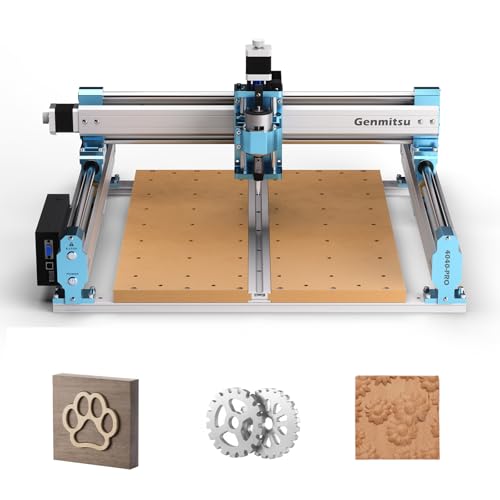
| Genmitsu 4040-PRO | Small shops adding a second machine | $499 |
| FoxAlien XE-Ultra 8080 | Large-format carbon fiber and aluminum work | $1619.1 |
| LUNYEE 3020 Nova | Soft metal cutting on a budget | $579 |
| Student Workbook Vol. 1 | Structured G-code learning | under $30 |
| WolfPawn 4040-PRO | Hobbyists wanting 4040 area at lowest cost | under $400 |
| How to Use a CNC Machine | First-time operators seeking a reference | under $20 |
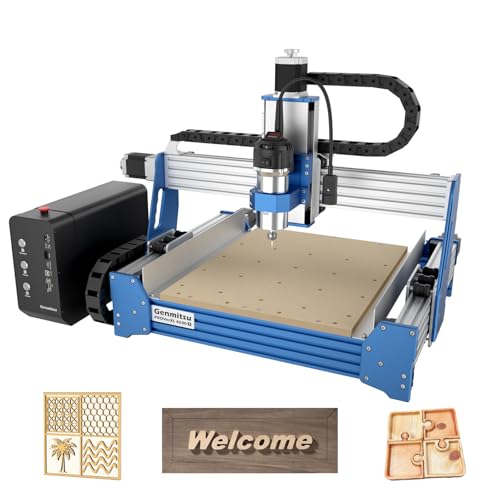
| Genmitsu PROVerXL 4030S | Users needing extra Z-height clearance | $759 |
How We Picked
We evaluated each entry on four criteria that dominate owner-reported outcomes in this category. First, spindle-to-material match: does the rated power and speed range align with what owners actually cut? Second, axis drive quality: ball screws and linear rails deliver tighter tolerance and longer service life than lead screws with extrusion, and the price premium must be justified. Third, ecosystem support: GRBL-based machines with active community forums and published firmware updates age far better than closed systems. Fourth, working-area-to-footprint ratio: benchtop machines that waste enclosure space relative to their cutting envelope force buyers into larger footprints than their shop allows.
The 8 Best Industrial Cnc Machines in 2026
LUNYEE 3018 PRO MAX
This all-metal-framed 3-axis machine is the entry point for buyers who want to confirm they enjoy CNC workflow before spending more. The 500W spindle handles wood, acrylic, MDF, and plastic cleanly, and the built-in limit switches with emergency stop reduce the anxiety of unattended operation. Offline GRBL control via SD card means you can cut without tethering a computer to the shop.
- Pro: All-metal frame at this price resists flex that plastic-bodied competitors show after weeks of use.
- Pro: Offline controller removes the need for a dedicated PC station near the machine.
- Con: The 80mm Z-travel limits you to shallow relief work and single-pass engraving on thicker stock.
Skip this if you plan to cut aluminum sheet or need more than three inches of Z clearance for clamping.
Genmitsu 4040-PRO
Stepping up from the 3018 class, this machine delivers a 400mm square working area in a rigid enough frame for light metal milling with proper feeds. It suits makers who have already completed a few wood projects and now want to machine brass fittings or thin aluminum plate without upgrading to a full industrial bridgeport.
- Pro: Genmitsu’s software ecosystem and firmware support are among the most reliable in the budget CNC space.
- Pro: The 4040 footprint fits standard hobby stock dimensions without awkward work-holding compromises.
- Con: Out-of-the-box spindle accuracy requires bearing preload adjustment that adds setup time for less-experienced users.
Skip this if you need enclosed dust collection or run production batches where cycle time matters more than unit cost.
FoxAlien XE-Ultra 8080
With an 800mm by 800mm bed, this machine occupies a niche between benchtop hobby routers and floor-standing industrial routers. The NEMA 23 closed-loop stepper motors eliminate missed steps that plague open-loop designs during long cuts, making it practical for carbon fiber layups and full-sheet aluminum work. For shops producing small drone frames or instrument panels, the large format removes the need to tile and join.
- Pro: Closed-loop steppers provide positional feedback that prevents ruined parts on expensive composite stock.
- Pro: The 80×80 bed handles full-size projects without re-fixturing.
- Con: At over $1,600, it costs roughly triple the entry-level machines, and shipping a unit this large adds friction to returns.
Skip this if your projects fit within 400mm; the price premium buys capability you will not use.
LUNYEE 3020 Nova
The all-metal XYZ linear guides combined with ball screws make this the best value proposition for buyers who need to cut aluminum and brass with repeatability. The 800W trimmer router pushes through soft metals at reasonable feeds where a 500W spindle would chatter. For under $600, it undercuts competitors offering similar drive quality by several hundred dollars.
- Pro: Ball screws on all three axes provide tighter positional accuracy than lead-screw machines at this price.
- Pro: The 800W spindle expands the workable material list into solid aluminum without stalling.
- Con: The working area is modest, so larger panels require re-zeroing and multi-setup cuts.
Skip this if your primary material is hardwood; you are paying for metal-cutting capability you will rarely use.
Student Workbook for Programming of CNC Machines (Volume 1)
This is not a machine but a structured curriculum that addresses the most common failure point for new CNC owners: G-code literacy. Owners of every router in this list report struggling with manual programming, tool-path planning, and post-processor configuration. The workbook builds those skills through progressive exercises rather than abstract reference material.
- Pro: Step-by-step exercises translate directly into shop-floor confidence within a weekend of study.
- Pro: Pairs with any GRBL or Fanuc-style controller regardless of hardware brand.
- Con: Volume 1 covers fundamentals; advanced multi-axis and macro programming requires later volumes.
Skip this only if you already write production G-code daily and need no instruction.
WolfPawn 4040-PRO
For under $360, this machine offers a 4040-class working area with a 500W spindle and GRBL control at the lowest price in this roundup. Lead-screw drive and a simpler frame reduce cost, and owner feedback confirms it handles wood, acrylic, and thin aluminum foil adequately. It serves as a practical first machine for students or workshop programs replacing a damaged unit without a large capital outlay.
- Pro: The 15.7-inch square bed gives you Genmitsu-class cutting area at a fraction of the premium.
- Pro: Standard GRBL compatibility means existing toolpath software and community tutorials transfer directly.
- Con: Lead-screw axes wear faster under metal-cutting loads, so longevity on aluminum work trails ball-screw designs.
Skip this if you plan long production runs in metal; the drive system will not hold tolerance as reliably.
How to Use a CNC Machine for Beginners
This guide covers the full operational chain from machine setup through tool selection, work-holding, programming, and safe milling practices. For owners who received a router as a gift or bought one on impulse and now face a learning cliff, it provides the procedural knowledge that manufacturer manuals omit. The tooling-selection chapter alone justifies the cost if it prevents one broken endmill or one ruined workpiece.
- Pro: Addresses safety and work-holding topics that machine manuals consistently under-document.
- Pro: Written for zero-experience readers, so no prerequisite CAD or machining knowledge is assumed.
- Con: Generic enough to apply to any router, which means it will not give brand-specific firmware instructions.
Skip this if you already have years of manual machining experience; the content will feel slow.
Genmitsu PROVerXL 4030S
The 710W spindle paired with 130mm of Z-travel distinguishes this machine for users who cut thick stock or use tall work-holding. Most benchtop routers cap Z at 45-80mm, forcing shallow passes on thick material. The extra clearance means you can clamp a 2-inch aluminum billet and still have room for tool changes mid-cut.
- Pro: The 130mm Z-height removes the single most common ergonomic frustration for metal-focused users.
- Pro: Genmitsu’s build consistency and warranty support reduce the risk that haunts lesser-known brands.
- Con: The added Z-travel raises the overall machine height, which matters if your shop ceiling or dust hood is fixed.
Skip this if your projects stay under one inch thick; the Z clearance adds cost without benefit.
Buying Guide
Spindle Power and Material Compatibility
Match wattage to the hardest material you will cut, not the most common one. A 500W spindle covers wood and acrylic indefinitely but requires slow feeds and light DOC for aluminum. An 800W unit handles soft metals with single-flute endmills at practical cycle times. If you only ever cut MDF and plastic, do not pay for extra watts you will never use.
Axis Drive: Lead Screws vs. Ball Screws
Lead screws are cheaper and adequate for engraving and light milling where backlash is tolerable. Ball screws with linear rails deliver tighter repeatability and resist wear under the axial loads of metal cutting. The price gap between the two technologies accounts for most of the difference between a $360 machine and a $580 machine. Decide based on whether dimensional accuracy matters more than initial cost.
Closed-Loop vs. Open-Loop Steppers
Open-loop steppers assume every commanded step is executed. Missed steps during a long or deep cut produce silent defects that waste material and time. Closed-loop systems with encoder feedback confirm position and either correct or halt the job. For composite materials, expensive stock, or overnight unattended runs, closed-loop drive is worth the premium.
Our Verdict
Our top pick is the LUNYEE 3020 Nova. At $579 it delivers ball screws, all-metal linear guides, and an 800W spindle that genuinely cuts aluminum, making it the highest capability-per-dollar machine in this group. For the budget-conscious buyer, the WolfPawn 4040-PRO for under $400 provides a usable 4040 working area and GRBL compatibility without a demanding upfront investment. However, if your shop floor demands a large-format bed for carbon fiber or full-panel aluminum, the FoxAlien XE-Ultra 8080 is the only machine here that eliminates re-fixturing entirely, and that workflow saving justifies its premium for production-focused users.
FAQ
What size CNC router do I need for home use?
A 300mm by 180mm bed handles most decorative projects, small parts, and prototype work. If you regularly cut panels for furniture or enclosures, step up to a 4040 or 8080 format. Measure your largest single workpiece and add clearance for clamps before deciding.
Can a benchtop CNC router cut aluminum?
Yes, with a spindle rated at 700W or above, rigid work-holding, and correct single-flute endmills running at high RPM with slow feed. Lead-screw machines can manage thin aluminum plate but will struggle with solid stock; ball-screw designs hold tolerance better under the higher cutting forces involved.
Do I need CAD software to use a CNC router?
Not initially. GRBL-based machines accept simple G-code that can be generated from free tools like Fusion 360, Easel, or even handwritten from a reference like the Student Workbook in this list. Parametric CAD becomes useful once you produce repeat parts or complex 3D geometry.
What is the difference between offline and computer-tethered CNC control?
Offline control stores G-code on an SD card or USB drive, letting the machine run without a connected PC. This keeps computers away from dust, coolant, and vibration. Tethered control allows real-time jogging, feed-rate overrides, and visual simulation during the cut, which some users prefer for one-off jobs.