Key takeaways
- Home security used to mean expensive installers, drilled-in wiring, and a monthly monitoring bill that never went away. In 2026, a capable smart
What's inside
Home security used to mean expensive installers, drilled-in wiring, and a monthly monitoring bill that never went away. In 2026, a capable smart security system can be a DIY afternoon project that costs less than a nice dinner out, with wireless kits, app alerts, and no-contract options putting real protection within reach of any budget. The key is knowing which components you actually need and where to skip the upsells.
This guide shows how to build an effective smart home security setup without overspending, from picking a starter kit to placing sensors for maximum coverage. Whether you lean toward a name-brand ecosystem like the Ring Alarm 5-Piece Kit or a subscription-free DIY option under $50, here is how to protect your home affordably.
As an Amazon Associate we earn from qualifying purchases.




⚡ Save on Your Next PC — Amazon Prime
Prime members get fast free shipping on the systems above, plus early access to Prime Day & Black Friday PC deals. New members get a 30-day free trial.
Watch: How to Set Up a Smart Home Security System on a Budget — Video Review
Start With the Right Core Kit
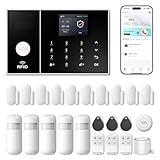
Every system begins with a hub and a handful of sensors. Starter kits bundle these at a discount versus buying pieces individually. The Ring Alarm 5-Piece Kit at $199.99 gives you a hub, keypad, motion detector, and door/window sensors in a trusted ecosystem, while budget kits like the 15-Piece WiFi DIY system at $114.99 offer more sensors for less if you do not need brand-name app polish.
- Confirm the kit includes a hub or base station, not just sensors.
- Count door/window sensors against your actual entry points.
- Check whether the app is free or nudges you toward a subscription.
Decide on Monitoring: Self vs. Professional
The biggest ongoing cost is professional monitoring. Many budget systems, including the subscription-free 15-Piece DIY kit, send alerts straight to your phone so you self-monitor for free. Ring and similar ecosystems offer optional paid monitoring, but you can run them self-monitored to start. Self-monitoring saves the most money; professional monitoring adds a dispatch safety net if you are often unreachable.
Place Sensors for Maximum Coverage
Smart placement beats buying more hardware. Put door/window contact sensors on every ground-floor entry and any accessible upper window, and position a motion detector to cover a central hallway or main room that an intruder must cross. A loud siren, like those bundled in the X-Sense 5-piece or 24-piece kits, deters break-ins on its own.
Add Smart Extras Without Overspending
Once the core is set, prioritize high-value add-ons: a video doorbell for package and visitor alerts, and a couple of smart plugs to make the house look occupied. Skip pricey extras you will not use. A larger kit such as the 24-Piece Alarm System at $162.99 already includes enough sensors to blanket a small house without buying more.
Tips
- Buy a bundled kit rather than individual sensors; the per-sensor savings are significant.
- Choose a subscription-free system like the 15-Piece DIY kit if you are comfortable self-monitoring via app.
- Prioritize entry-point contact sensors first, then one well-placed motion detector, before adding cameras.
- A loud siren is one of the cheapest, most effective deterrents; make sure your kit has one.
Frequently Asked Questions
Can I set up a smart security system myself?
Yes. Modern kits are peel-and-stick wireless with app-guided setup, so most take under an hour with no tools. The Ring and DIY kits covered here are designed specifically for self-installation.
Do I have to pay a monthly monitoring fee?
No. Many budget systems, like the subscription-free 24-piece and 15-piece kits, send alerts directly to your phone for free. Professional monitoring is optional and mainly useful if you want guaranteed dispatch when you cannot respond.
How many sensors do I need?
Cover every ground-floor door and accessible window with contact sensors, plus one motion detector in a central area. A small home is well covered by a 15- to 24-piece kit; larger homes may add a few more sensors.
Is a cheap security system actually effective?
Yes, when placed well. The core deterrents (visible sensors, a loud siren, and instant phone alerts) work the same on budget kits as premium ones. Smart sensor placement matters far more than brand.
Conclusion
A budget-friendly smart security system is one of the best-value upgrades you can make to your home, and you can build a genuinely protective setup for well under $200. Start with a bundled kit sized to your entry points, self-monitor via app to avoid ongoing fees, and place sensors and a siren where they cover the paths an intruder must take. Add a doorbell camera later, and you will have layered protection without the traditional price tag.