Key takeaways
- 3000K: Best for predominantly yellow-gold jewelry and a boutique-style, warmer presentation.
- 3500K to 4000K: The most versatile range for mixed collections, diamonds, silver, and colored stones.
- 5000K: Useful when accurate, daylight-like viewing is more important than a soft display effect.
Best LED Tower Display Cases for Jewelry Collections
The best LED illuminated tower display cases for jewelry are tall tempered-glass cabinets with adjustable shelves, high-CRI neutral-white lighting, and a lock that protects the collection without making daily access frustrating.
For most jewelry collectors, choose a 60- to 72-inch tower with four or five adjustable shelves, built-in LED strips, a metal-framed door, and lighting rated at least CRI 90. A 4000K light is the safest all-purpose choice: it keeps white metals looking clean while preserving warm color in gold, amber, and colored gemstones.
Our top picks

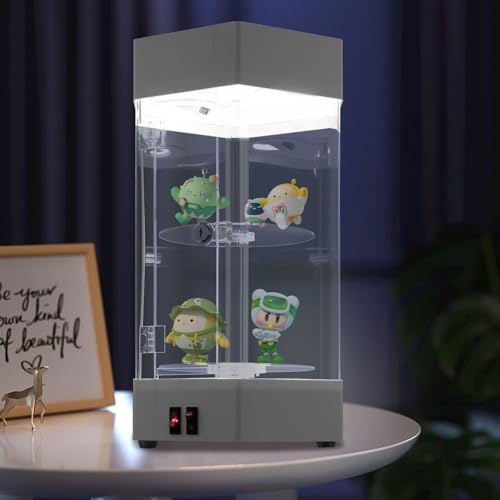
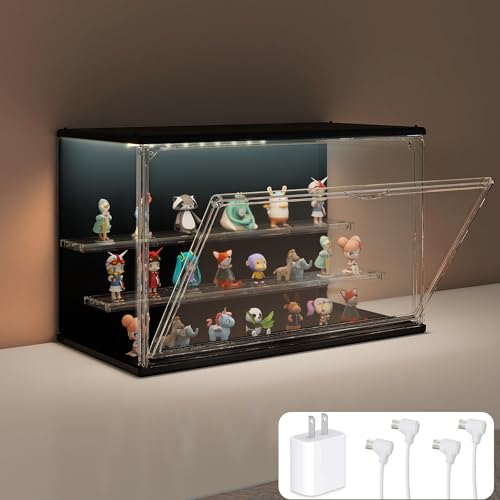
As an Amazon Associate we earn from qualifying purchases at no extra cost to you. Ratings are shown as listed on Amazon.
What Matters Most When Comparing Jewelry Display Towers
LED color temperature and CRI
Color temperature changes how jewelry appears through the glass. Warm LEDs around 2700K to 3000K make yellow gold look rich and flattering, but they can add an unwanted yellow cast to diamonds, silver, white gold, and pale gemstones. Cool LEDs around 5000K to 6500K look crisp, yet may make some stones appear harsh or slightly blue.
- 3000K: Best for predominantly yellow-gold jewelry and a boutique-style, warmer presentation.
- 3500K to 4000K: The most versatile range for mixed collections, diamonds, silver, and colored stones.
- 5000K: Useful when accurate, daylight-like viewing is more important than a soft display effect.
CRI, or color rendering index, is equally important. An LED marked CRI 80 may be acceptable for general furniture lighting, but CRI 90 or higher is preferable for comparing gemstone color and metal finish. If the listing only states “bright white LED” and gives no color temperature or CRI, treat that as missing information rather than proof of quality.
Tempered glass versus acrylic
Tempered glass provides the clearest, most premium viewing surface. It resists everyday scratching better than acrylic, does not become cloudy from ordinary cleaning, and is less likely to develop a static charge that attracts dust. Its disadvantages are weight and breakage risk if struck on an edge.
Acrylic is lighter and usually less expensive. It can be practical for a frequently moved cabinet or an upper-floor room, but it scratches more easily and may show fine swirl marks if cleaned with paper towels or abrasive cloths. Acrylic panels also need an antistatic-safe cleaner. For a permanent jewelry collection, tempered glass is usually worth the extra weight.
Lock quality and cabinet security
A small cam lock can deter casual opening, but it is not the same as a security safe. Look for a full-length door frame, a metal lock body, a rigid strike plate, and hinges that cannot be easily accessed from outside. A lock with two keys is more useful than a decorative push button that engages only a thin plastic tab.
Check whether the door can be aligned after assembly. A cabinet that sags slightly may leave the latch difficult to operate and place stress on the glass. If the collection includes high-value pieces, position the tower away from exterior doors and consider anchoring it to a wall. Display glass protects against dust and handling; it does not replace a dedicated safe or insurance coverage.
Shelf adjustability and jewelry-friendly spacing
Fixed shelves often waste vertical space. Necklaces may need 10 to 14 inches of clear height when hung on a bust, while rings, earrings, and bracelets can use much less. Shelves should move in increments of roughly 1 to 2 inches and be supported by metal pins or a continuous metal track rather than small plastic clips.
Also inspect the shelf material. Glass shelves are easy to wipe and allow light to pass through, but they can reflect glare and require careful leveling. Wood or laminated shelves reduce reflections and feel more stable for trays, although they may block light from reaching lower compartments.
Best Tower Case Choice by Collection and Room
| Situation | Recommended specification | Why it fits | Typical 2026 market range |
|---|---|---|---|
| Small collection or tight bedroom | 24–30 in. wide, 60–65 in. high, 3–4 shelves, 3000–4000K LEDs | Uses vertical space without dominating the room | $180–$350 |
| Mixed daily-wear collection | 30–36 in. wide, 65–72 in. high, 4–5 adjustable shelves, CRI 90+ | Balances access, capacity, and accurate color | $300–$650 |
| Large necklace and pendant collection | 32–40 in. wide, tall interior, at least 12 in. shelf clearance, LED side strips | Reduces tangling and shadows around long pieces | $450–$900 |
| Frequent relocation or rental home | Acrylic panels, 20–28 in. wide, under 100 lb, adjustable feet | Easier to move and less demanding on floors | $150–$400 |
| High-value display in a public-facing room | Tempered glass, metal frame, quality cam or pin-tumbler lock, wall anchor | Improves resistance to casual access and tipping | $500–$1,200+ |
Head-to-Head: Three Practical Display Case Types
Budget LED tower
A budget tower typically uses a particleboard or laminate frame, acrylic or thin glass panels, three or four shelves, and a simple top-mounted LED. It is suitable for costume jewelry, watches, and pieces handled often. Expect less even illumination, more visible fasteners, and a lock intended mainly for privacy.
Choose this type when the cabinet will sit in a low-risk room and the collection is still growing. Avoid models where the LED cable is permanently trapped behind the back panel, because replacing a failed light may require partial disassembly.
Mid-range tempered-glass tower
This is the best choice for most collectors. It commonly offers a metal or reinforced laminate frame, tempered glass doors, four or five adjustable shelves, LED strips on one or both sides, and a more substantial lock. Look for a diffuser over the LEDs; bare diodes can create bright spots on polished stones and distracting reflections on the glass.
A mid-range tower should also have adjustable leveling feet. Even a well-built cabinet can appear crooked on an uneven floor, and an unlevel door can cause premature hinge or latch wear.
Premium jewelry showcase
Premium cabinets emphasize even lighting, concealed wiring, thicker glass, better door alignment, and interior fittings for trays or necklace hooks. Some include dimming or separate lighting zones. These features are valuable when the case is used for presentations or photographed regularly, but they are less important if the cabinet is opened only once a week.
Pay for the lighting and hardware you will use. A premium exterior does not compensate for a cabinet with fixed shelves, low-CRI LEDs, or no replacement-lighting information.
Worked Fit Calculation Before You Buy
Suppose a wall has 38 inches of usable width. A tower advertised as 36 inches wide may still need clearance for the door, baseboard, and uneven walls. Allow at least 1 inch on each side, producing a required opening of 38 inches. That leaves no tolerance, so a 32-inch cabinet is safer.
For height, measure from the floor to the lowest obstruction, then subtract 3 inches for installation and leveling. If the available height is 75 inches, select a cabinet no taller than approximately 72 inches. Do not forget the ceiling height needed to tilt an assembled tower upright; a 72-inch cabinet may require more than 72 inches of temporary clearance during assembly.
Lighting Setup for Better Gemstone Sparkle
- Start at 3500K or 4000K. This gives mixed metals and stones a relatively neutral appearance.
- Use side lighting where possible. Light from both sides creates more even highlights than a single strip above the door.
- Keep reflective pieces away from the glass. Leave roughly 1 to 2 inches of space so reflections do not obscure the item.
- Dim the LEDs if the case allows it. Maximum brightness can wash out facets and create glare.
- Photograph under the same lighting used for display. This prevents color differences between the cabinet and your catalog images.
A simple capacity estimate can prevent overcrowding. If each shelf holds six necklace busts with 2 inches between them, a 30-inch usable shelf width provides room for about 14 inches of occupied display plus spacing, or approximately six pieces depending on bust width. Leaving one-third of the shelf visually open usually makes the collection easier to examine than filling every available inch.
Ownership Realities: What Wears First
- Door hinges and latches: Frequent opening can loosen screws or shift alignment. Tighten hardware at the first sign of rubbing rather than forcing the lock.
- LED power supplies: Heat and continuous operation shorten their life. Use a timer or switch the lights off when the display is not being viewed.
- Shelf supports: Small clips can crack or disappear during rearrangement. Keep spare supports in a labeled bag.
- Glass and acrylic surfaces: Dust becomes more visible around LEDs. Use a clean microfiber cloth and a suitable glass or acrylic cleaner; never use abrasive pads.
- Necklace storage: Hanging chains can tangle if pieces touch. Use hooks, individual busts, or shallow divided trays rather than grouping several chains on one hook.
Bottom Line
For the strongest balance of appearance and practicality, select a 60- to 72-inch tempered-glass tower with four or five adjustable shelves, 3500K to 4000K LEDs, CRI 90 or better, side illumination, and a metal-framed lockable door. Choose an acrylic model when low weight and easy relocation matter more than long-term scratch resistance. Before ordering, confirm the real assembled dimensions, shelf clearance, replacement-lighting options, door swing, and wall-anchoring method—not just the headline LED feature.