Key takeaways
- Crab and shrimp gifts a carcinologist will use: a Pacific field guide, amber specimen jars, a lighted loupe, a dissecting kit and a waterproof notebook.
A carcinologist studies crustaceans: crabs, shrimp, lobsters, barnacles, krill and the thousands of smaller decapods most people never notice. The work lives half in the tide pool and half at the lab bench, so the best gifts survive both places: a field guide that covers the coast they work, jars that keep small specimens safe, a loupe strong enough to show the fine hairs on a shrimp’s legs, a dissecting kit for the bench, and a notebook that still takes notes after a splash of seawater.
As an Amazon Associate, I earn from qualifying purchases.
Before you buy, remember that collecting crustaceans needs a permit in many places, including marine reserves, national parks and some state waters. A gift that helps someone observe, record and study is always safer than one that encourages taking animals home.
How to Choose
Start with where they work. A tide-pool naturalist needs a pocket guide, a loupe and a notebook that can get wet. A lab researcher needs specimen jars and a dissecting kit. A student needs the guide first, because identification comes before everything else.
Match the region to the guide. Most crustacean guides cover one coast, and a Pacific guide is no help on the Atlantic. Check the edition date too: taxonomy changes, and a guide from a decade ago may use names that have since been revised.
For jars, think about size and light. Small crabs and shrimp fit in a 4-ounce jar, but a large Dungeness crab does not. Amber glass blocks light that can fade preserved specimens, while clear glass lets you see the contents at a glance. For a loupe, 10x magnification is the sweet spot: strong enough to show appendages and setae, light enough to carry.
Comparison
| Gift | Best For | Key Detail |
|---|---|---|
| Jensen Pacific Coast Guide | Field identification | About 300 shallow-water decapod species |
| Tecohouse Amber Glass Jars | Specimen storage | 24-pack, 4 oz, amber glass |
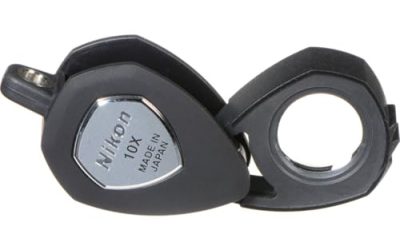
| DP-GLOBAL 10X Loupe | Close-up examination | Rechargeable, LED and UV light |
| DEXSUR Dissecting Kit | Lab bench work | 30 stainless steel pieces |
| Rite in the Rain 935-KITL Notebook Kit | Wet-weather notes | 3 x 5 in notebook, CORDURA cover, pen |
1. Crabs and Shrimps of the Pacific Coast by Gregory C. Jensen
This is the field guide to buy for anyone who works the Pacific coast. It covers nearly 300 shallow-water species of crabs and shrimp from southeastern Alaska to the Mexican border, all in full color. The print book runs about 240 pages, and it comes with an e-guide on disc holding the full species profiles as a hyperlinked PDF, so the whole reference can live on a phone or tablet in the field.
The photos are the real strength: color images show the animals as they actually look on the shore, not as line drawings.
- Species covered: Nearly 300 shallow-water decapods
- Range: Southeastern Alaska to the Mexican border
- Format: Print book plus e-guide on disc
- Pages: About 240
- Illustrations: Full-color photographs throughout
- ASIN: 0989839109
The honest limits are worth stating. This guide covers the Pacific coast only, so it is the wrong gift for someone who works the Atlantic or the Gulf. The print edition dates to 2014, and a few names have changed since then, so cross-check against a current checklist.
2. Tecohouse 4 oz Amber Glass Jars with Lids, 24-Pack

Specimen jars are the unglamorous backbone of crustacean work, and this 24-pack is the right size for it. Each jar holds 4 ounces, which suits small crabs, shrimp, isopods and larval specimens, and the amber glass blocks the light that can fade preserved animals over time. The black lids seal tight with inner liners, so jars can ride in a field bag without leaking. A pack of 24 matters because one jar is never enough: a day of sampling fills several.
- Capacity: 4 oz per jar
- Quantity: 24 jars
- Material: Amber glass with black lids
- Seal: Inner liners, leakproof lids
- Use: Small crabs, shrimp, isopods and larvae
The limits are physical. Amber glass hides the contents, so jars need clear labels with the species, site and date, or the collection becomes a guessing game. Four ounces will not hold a large crab or lobster, and glass breaks, so jars need padding in a field bag.
3. DP-GLOBAL 10X Jewelers Loupe with LED and UV Light

A hand lens is the tool a carcinologist reaches for most often after the guide. It magnifies 10 times, enough to show the fine setae on a shrimp’s legs, the shape of a crab’s eyestalks and the segmentation of a small isopod. The built-in LED lights the subject, and a UV light mode adds a second way to look at fluorescent markings. It is rechargeable, so there are no button batteries to hunt for before a field trip, and it folds into a pocket-sized shape.
- Magnification: 10x
- Lens: Optical glass with measurement scale
- Lights: LED and UV modes
- Power: Rechargeable battery
- Design: Foldable, pocket-sized
Keep the expectations honest. Ten times magnification shows appendages and surface detail, but it will not show larval fine structure or the smallest mouthparts; that work needs a dissecting microscope. The UV light is a bonus for fluorescence checks, not an identification tool on its own.
4. DEXSUR 30-Piece Advanced Dissection Kit

For the lab bench, this 30-piece kit covers the basics of crustacean dissection: a scalpel handle with blades, dissecting scissors, straight and curved forceps, probes and other stainless steel instruments, all in a zippered case. That is enough to open a preserved crab, expose the gills and gut, and tease apart the mouthparts for a closer look. Stainless steel is the right call here: the tools can be cleaned, dried and reused for years.
- Pieces: 30 instruments
- Material: Stainless steel
- Includes: Scalpel handle and blades, scissors, forceps, probes
- Storage: Zippered carry case
- Use: Anatomy study and lab dissection
The honest framing matters here. This kit is for preserved specimens in a lab, not for live animals in the field, and dissection should follow the rules of the lab and the permits that cover the specimens. The scalpels are genuinely sharp, so the kit suits a student or researcher who already knows how to handle them, not a young child.
5. Rite in the Rain 935-KITL Notebook Kit

Field notes taken in the rain are useless if the paper turns to pulp, and this kit is built for that exact problem. The 3 by 5 inch top-spiral notebook uses Rite in the Rain all-weather paper, which sheds seawater and rain, and it rides inside a tan CORDURA fabric cover that protects it in a wet field bag. The kit also includes an all-weather pen, so the recipient has something to write with that will not smear on wet paper.
- Size: 3 x 5 in notebook
- Paper: All-weather, sheds water
- Cover: Tan CORDURA fabric cover included
- Pen: All-weather pen included
- Use: Field notes in rain, mud and spray
The limits are size and habit. A 3 by 5 inch page is fine for quick notes, sketches and measurements, but not for long descriptions or data tables; those belong in a larger notebook back at the lab.
Which Gift Should You Pick
Buy the Jensen guide if they work the Pacific coast and need to identify what they find. It is the single most useful gift on this list. Buy the amber jars if they already own a guide and need to store what they collect. Buy the DP-GLOBAL loupe if they spend their time looking closely at small animals in the field, since 10x with a light is the magnification that gets used every day. Buy the DEXSUR dissecting kit if they work at a lab bench, and buy the Rite in the Rain notebook kit if their notes keep getting wet.
If you can only buy one gift and you do not know their coast, pick the loupe or the jars. Both are useful anywhere, and neither depends on the region they work.
FAQ
Do carcinologists need a permit to collect crabs and shrimp?
Often, yes. Many places require a scientific collecting permit, and marine reserves, national parks and some state waters have their own rules. A good gift respects that: guides, jars, lenses and notebooks help someone study crustaceans without encouraging unpermitted collecting. Check the rules for the area before any collecting trip.
What exactly does a carcinologist study?
Crustaceans, the group that includes crabs, shrimp, lobsters, crayfish, barnacles, krill and isopods. Some carcinologists work on taxonomy, naming and describing species. Others study ecology, behavior, fisheries or evolution. The gifts in this guide suit all of them, since identification, storage, close examination and note-taking are part of every branch of the field.
Are preserved specimens better than live ones for study?
It depends on the question. Live animals show behavior, color and movement, which a preserved specimen cannot. Preserved specimens allow careful anatomy work, measurement and comparison with museum collections. Most working carcinologists use both.
What is the best starter gift for a student carcinologist?
The field guide, if you know their coast. Identification is the first skill, and a good guide teaches it every time it is opened. If you do not know their coast, the hand lens is the safer starter: it is useful in the field, in the lab and in the classroom.
Conclusion
The best gifts for a carcinologist are the tools of the trade: a guide that covers their coast, jars that keep specimens safe, a loupe that shows the small details, a dissecting kit for the bench and a notebook that survives the weather. Each pick in this guide does one job well, and together they cover a full day of crustacean work, from the tide pool to the lab bench.
FAQ
Do carcinologists need a permit to collect crabs and shrimp?
What exactly does a carcinologist study?
Are preserved specimens better than live ones for study?
What is the best starter gift for a student carcinologist?
More from Amazon
Programs that pair well with the guide above. Offers and eligibility are set by Amazon and may change.
Send a Prime gift membership to someone who would use free shipping and Prime Video.
Gift Amazon PrimeGive audiobooks to someone who loves to listen. Plans and prices are set by Amazon.
Gift AudibleFree shipping on eligible items, Prime Video and more. Eligible new members can start with a free trial.
Start a Prime free trialAudiobooks and podcasts to listen to on the go. Eligible new members can start with a free trial.
Try Audible freeAs an Amazon Associate we earn from qualifying purchases.