Key takeaways
- Budget gifts for lichenologists that get used: a field guide, pocket microscope, specimen packets, a 365nm UV light and a waterproof notebook.
Lichens are easy to walk past and hard to forget once you start looking. A grey crust on a gravestone, a bright orange splash on a seaside rock, a pale green beard hanging from a branch: each one is a partnership between a fungus and an alga or a cyanobacterium, living where almost nothing else can. The right gift fits the work of reading those partnerships one thallus at a time. It survives rain, fits in a jacket pocket, and helps with one job: finding a name, keeping a specimen, or recording what was seen.
This guide covers five budget gifts that do exactly that: a reference book, a pocket microscope, plain paper packets, a UV light, and a waterproof notebook.
As an Amazon Associate, I earn from qualifying purchases.
How to Choose
Start with how the person works. A field lichenologist carries everything in a small bag, so pocket size and weather resistance matter more than bench-top power. A lab-based lichenologist will value magnification and storage more than another notebook.
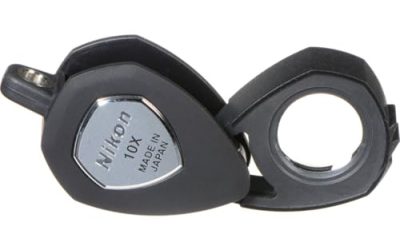
Magnification is the first decision. A 10x hand lens is the classic field tool, but a 20x to 40x pocket microscope shows the small fruiting bodies, called apothecia, and the texture of the thallus surface in far more detail. It is still a field tool, not a lab microscope, so expect a small field of view. If the person already owns a good hand lens, the pocket microscope is the more useful next step.
Storage is the second decision. Lichens are stored dry in small paper packets, never in sealed plastic, because trapped moisture invites mould. Plain kraft coin envelopes are the standard field packet: cheap, breathable, and easy to label by hand.
Chemical tests are the third decision, and the one to handle with care. Identification keys lean on spot tests with potassium hydroxide (K), bleach (C), and para-phenylenediamine (PD), but these reagents are caustic, unstable, or toxic. A 365nm UV light is the safe field alternative: some lichens fluoresce under long-wave UV, and the test damages nothing.
Finally, respect the rules of the places where lichens grow. Collecting needs a permit in many parks, reserves, and protected areas, and some species are protected outright.
Comparison Table
| Gift | Best For | Key Spec |
|---|---|---|
| Lichens of North America | The shelf reference | 805 species covered in depth, 939 colour photographs |
| Carson MicroBrite MM-24 | Field magnification | 20x to 40x zoom, built-in LED light |
| ValBox No.1 Coin Envelopes | Specimen storage | 2.25 x 3.5 in kraft paper, gummed flap, 1,000 per box |
| uvBeast V3 365nm UV Flashlight | Fluorescence checks | Pure 365nm UV beam, handheld torch |
| Rite in the Rain PL935T-3 | Notes in any weather | 3 x 5 in top-spiral notebooks, 3-pack, Universal pattern |
1. Lichens of North America by Brodo, Sharnoff and Sharnoff
Every North American lichenologist knows this book. It is the standard reference for the continent: 805 foliose, fruticose, and crustose species covered in depth, with another 700 or so in the keys and notes. The 939 colour photographs by Stephen and Sylvia Sharnoff, taken mostly in the field, show lichens as they look on rock, bark, and soil rather than as pressed specimens.
- Specs: Hardcover, 828 pages, Yale University Press, 2001
- Specs: Covers 805 species in depth, about 700 more in keys and notes
- Specs: 939 colour photographs, mostly field shots
- Specs: Identification keys, distribution maps, and species descriptions
- ASIN: 0300082495
Be honest about what it is. This is a desk book, not a pocket field guide: heavy, wide, and far too large to carry on a walk. The 2001 edition also predates some taxonomy changes, so a few Latin names have moved on. Neither point stops it being the most useful lichen book for a North American reader.
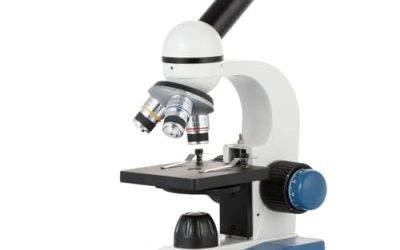
2. Carson MicroBrite MM-24 Pocket Microscope

A hand lens shows a lichen. A pocket microscope shows what the lichen is doing. The Carson MicroBrite MM-24 zooms from 20x to 40x with a built-in LED light, enough to pick out apothecia, read the texture of the cortex, and check whether a crust is sorediate or isidiate. It is small enough for a jacket pocket and tough enough for a field bag.
- Specs: 20x to 40x zoom pocket microscope with built-in LED light
- Specs: Handheld, pocket-size body with a focusing dial
- Specs: Battery-powered LED illumination for shaded bark and rock
- Specs: Works on live specimens in the field or dried fragments at home
The honest limits matter. The field of view is small, the working distance is short, and the image shakes with every tremor of the hand. It is not a substitute for a lab microscope: spore shapes and the fine structure of asci still need bench optics.
3. ValBox No.1 Coin Envelopes

This is the least glamorous gift in the guide and possibly the most used. Lichenologists store dried fragments in small paper packets, and the standard field packet is a plain kraft coin envelope. The ValBox No.1 measures 2.25 by 3.5 inches, has a gummed flap, and comes in a box of one thousand.
- Specs: 2.25 x 3.5 in kraft paper coin envelopes
- Specs: Gummed flap, plain unprinted surface for handwritten labels
- Specs: 1,000 envelopes per box
- Specs: Breathable paper, so dried specimens stay dry and mould-free
Paper packets are for dry specimens only; a wet fragment goes in a paper bag or an open container until it dries, never into a sealed envelope. Labels should be written in pencil, since ink can run if the packet gets damp. A thousand envelopes is a lifetime supply for a casual collector but a single season for a keen one.
4. uvBeast V3 365nm UV Flashlight
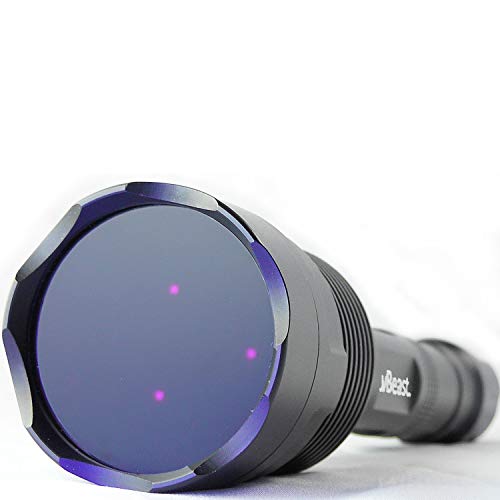
Some lichens glow under long-wave UV light, and that glow is a genuine identification clue. The uvBeast V3 is a handheld torch with a pure 365nm beam, the wavelength lichen keys mean when they call for a UV test. Shine it on a thallus in a darkened room or under a jacket at dusk, and some species fluoresce bright yellow, orange, or green while their neighbours stay dark. It damages nothing and works on a living lichen still attached to its rock.
- Specs: 365nm UV black light flashlight, handheld torch
- Specs: Pure ultraviolet beam for fluorescence checks
- Specs: Battery-powered, portable for field and home use
- Specs: Also useful for checking minerals, scorpions, and pet stains
Two cautions. Never shine UV light into eyes, and wear UV-blocking glasses for more than a quick check. And fluorescence is only one character: many lichens do not fluoresce at all, and a positive glow narrows the options without naming the species.
5. Rite in the Rain PL935T-3 Top Spiral Notebook, 3-Pack

Field notes taken in the rain are worth nothing if they wash away. The Rite in the Rain PL935T-3 is a set of three pocket notebooks, each 3 by 5 inches with a top spiral binding and a Universal page pattern, printed on paper that sheds water instead of soaking it up.
- Specs: 3-pack of top-spiral pocket notebooks, 3 x 5 in
- Specs: Weatherproof paper that stays writable in rain
- Specs: Universal page pattern for notes, sketches, and measurements
- Specs: Tan and green plaid covers
One quirk: the paper takes pencil and all-weather pens well, but ballpoint ink can smear on wet pages. Three in the pack means one in the field bag, one on the desk, one spare.
Which Gift Should You Pick
For a beginner, start with the book. Lichens of North America is the reference everything else builds on, and a new lichenologist will reach for it after every walk. Pair it with the ValBox envelopes if the person already collects.
For someone who already owns the book, the Carson MicroBrite MM-24 is the next step up. It changes what they can see in the field, and pairs naturally with the UV flashlight.
For the lichenologist who has everything, give the consumables. The Rite in the Rain notebooks and the ValBox envelopes are the supplies that always run out. If in doubt, the notebook 3-pack is the safest single gift in this guide.
FAQ
Do lichenologists need a permit to collect lichens?
Often, yes. Collecting needs a permit in many national and state parks, nature reserves, and protected areas, and some species are protected outright. Photographing and noting a lichen needs no permit anywhere, so look first and collect only where the rules allow it.
What are the K, C, and PD spot tests?
They are colour-change tests in identification keys: potassium hydroxide (K), bleach (C), and para-phenylenediamine (PD) are dabbed on the thallus and the colour is read against the key. The reagents are caustic, unstable, or toxic, so they are lab supplies, not gifts. The UV flashlight here is the safe field alternative.
Can lichens be stored in plastic bags?
Only very briefly, while carrying a fresh specimen home. For storage, lichens must be dry and kept in breathable paper packets, because trapped moisture invites mould and ruins the specimen. That is why the ValBox kraft envelopes are the right storage gift.
Is a pocket microscope enough for lichen identification?
For many common species, yes, combined with a good book and a hand lens. The 20x to 40x range shows apothecia and surface texture clearly. Spore shapes and asci still need a lab microscope, so it narrows the options rather than giving a final answer.
Conclusion
Lichenology is a slow hobby with cheap tools and deep rewards, and these gifts match that shape. A book that names what you see, a pocket microscope that shows what the eye misses, paper packets that keep a collection organised, a UV light that reveals hidden colours, and a notebook that survives the rain: five small things, each with one clear job, each used on the next walk out.
FAQ
Do lichenologists need a permit to collect lichens?
What are the K, C, and PD spot tests?
Can lichens be stored in plastic bags?
Is a pocket microscope enough for lichen identification?
More from Amazon
Programs that pair well with the guide above. Offers and eligibility are set by Amazon and may change.
Send a Prime gift membership to someone who would use free shipping and Prime Video.
Gift Amazon PrimeGive audiobooks to someone who loves to listen. Plans and prices are set by Amazon.
Gift AudibleFree shipping on eligible items, Prime Video and more. Eligible new members can start with a free trial.
Start a Prime free trialAudiobooks and podcasts to listen to on the go. Eligible new members can start with a free trial.
Try Audible freeAs an Amazon Associate we earn from qualifying purchases.