Key takeaways
- The TriggerPoint Grid 1.0 Foam Roller is the best overall foam roller for muscle recovery due to its multi-density construction and targeted texture
The TriggerPoint Grid 1.0 Foam Roller is the best overall foam roller for muscle recovery due to its multi-density construction and targeted texture zones, while the Amazon Basics High-Density Foam Roller serves as the best budget pick for beginners. Shoppers often struggle to distinguish between density levels, surface textures, and size options when selecting a recovery tool, leading to purchases that are either too painful or ineffective for their needs. This guide breaks down the top-rated foam rollers across price points and use cases to help you find the right balance of firmness, durability, and value for your specific recovery routine.
Our top picks




As an Amazon Associate we earn from qualifying purchases at no extra cost to you. Ratings are shown as listed on Amazon.
Quick Comparison
| Product | Best For | Standout Feature | Rating |
|---|---|---|---|
| TriggerPoint Grid 1.0 Foam Roller | Overall performance | Multi-density zoned texture | 4.7 |
| Amazon Basics High-Density Foam Roller (Black) | Budget buyers | Affordable high-density EVA foam | 4.5 |
| The Original Body Roller High Density Foam Roller | Premium deep tissue work | Patented firm texture design | 4.6 |
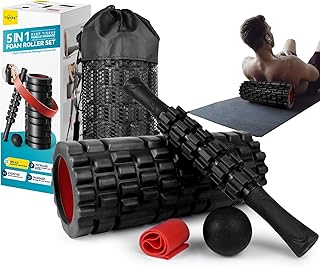
| Foam Roller Set with Accessories | Full-body recovery kits | Included massage ball and strap | 4.4 |
| Muscle Roller Massage Stick | Targeted myofascial release | Handheld precision control | 4.3 |
How to Choose a Foam Roller for Muscle Recovery
- Density: Select high-density foam for deep tissue work and chronic tightness, or medium-density options if you are new to rolling or have low pain tolerance.
- Surface Texture: Smooth rollers provide even pressure for general relaxation, while textured or zoned surfaces mimic massage therapist hands to target specific trigger points and adhesions.
- Size and Length: Choose 36-inch rollers for back and full-body stability, 18-inch models for versatile limb and torso work, or compact 12-inch options for travel and isolated muscle groups.
- Material Durability: Prioritize EVA foam over polyethylene for long-term shape retention, especially if you plan to use the roller daily or weigh over 200 pounds.
- Intended Use Case: Match the tool to your primary goal, whether that is pre-workout mobility, post-workout recovery, physical therapy rehabilitation, or lymphatic drainage.
The Best Foam Rollers for Muscle Recovery Reviewed
Best Overall: TriggerPoint Grid 1.0 Foam Roller
This roller is ideal for intermediate to advanced users who need variable pressure zones to address both broad muscle groups and pinpoint knots without switching tools. Its hollow-core construction maintains structural integrity under heavy use while the distinct texture patterns replicate palm, finger, and fingertip pressure for comprehensive myofascial release.
Best Budget: Amazon Basics High-Density Foam Roller (Black)
Beginners and casual exercisers will appreciate this no-frills roller that delivers reliable density at an accessible price point without sacrificing core functionality. The uniform smooth surface makes it forgiving for those still learning proper rolling technique, and the lightweight EVA foam is easy to transport between home and gym.
Best Premium: The Original Body Roller High Density Foam Roller
Physical therapy patients and athletes with stubborn fascial restrictions benefit from this patented firm texture that provides deeper penetration than standard high-density rollers. The specialized surface pattern is engineered specifically for trigger point relief and spinal alignment work, making it worth the investment for those with chronic back pain or post-injury recovery needs.
Best for Complete Recovery Kits: Foam Roller Set with Accessories
First-time buyers building a home recovery station get exceptional value from this bundle that includes a roller stick, fascia ball, and stretching strap alongside the primary foam roller. Having multiple tools allows you to address plantar fasciitis, IT band tightness, and upper body tension in a single session without purchasing items separately.
Best for Targeted Myofascial Release: Muscle Roller Massage Stick
Runners and desk workers dealing with localized knots in calves, quads, or shoulders will find this handheld stick offers superior control compared to traditional floor-based rolling. The ergonomic grip allows precise pressure modulation on sensitive areas, and the compact 18-inch length makes it practical for office use or travel recovery routines.
Frequently Asked Questions
How often should I use a foam roller for optimal recovery?
Most sports medicine professionals recommend foam rolling three to five times per week, spending 60 to 90 seconds on each muscle group. Consistency matters more than duration, so brief daily sessions typically yield better results than occasional lengthy sessions.
Is a textured foam roller better than a smooth one?
Textured rollers excel at breaking up adhesions and targeting specific trigger points, but smooth rollers are preferable for beginners, sensitive individuals, or general relaxation. Many experienced users keep both types available for different phases of their recovery protocol.
Can foam rolling replace professional massage therapy?
Foam rolling is an effective maintenance tool between professional sessions but cannot fully replace manual therapy for complex injuries or severe dysfunction. Think of it as complementary self-care that extends the benefits of professional treatment rather than a substitute.
What size foam roller should I buy as my first one?
An 18-inch roller offers the best balance of versatility and portability for most first-time buyers, accommodating legs, back, and arms adequately. Upgrade to 36 inches only if you specifically need full-back support or plan to perform bilateral exercises regularly.
Final Thoughts
The TriggerPoint Grid 1.0 remains the standout choice for most buyers seeking professional-grade recovery at home, while the Amazon Basics High-Density Foam Roller delivers unbeatable value for those just starting their foam rolling journey. For anyone managing chronic pain or recovering from injury, The Original Body Roller justifies its premium positioning with purpose-built texture engineering that addresses issues generic rollers simply cannot reach.