Key takeaways
- For professional-grade cutting performance, the HOSHANHO 8-Inch Japanese High Carbon Steel Chef Knife is our top pick, with the imarku 8-Inch
For professional-grade cutting performance, the HOSHANHO 8-Inch Japanese High Carbon Steel Chef Knife is our top pick, with the imarku 8-Inch Japanese Chef Knife earning a strong runner-up spot for its exceptional edge retention and gift-ready presentation.
Choosing a chef knife that delivers clean, precise cuts without fatiguing your wrist is harder than it looks. Marketing hype, vague steel grades, and hundreds of near-identical listings make it easy to overspend or settle for a blade that dulls within weeks. This guide cuts through the noise with hands-on evaluation criteria—steel composition, balance, edge geometry, and handle ergonomics—so you can buy with confidence whether you cook nightly or run a busy kitchen.
Our top picks




As an Amazon Associate we earn from qualifying purchases at no extra cost to you. Ratings are shown as listed on Amazon.
Quick Comparison
| Product | Best For | Standout Feature | Rating |
|---|---|---|---|
| HOSHANHO 8-Inch Japanese Chef Knife | All-around professional use | 10Cr15CoMoV steel with non-slip ergonomic handle | 4.7 / 5 |
| Amazon Basics 8-Inch Chef’s Knife | Everyday cooking on a budget | Full-tang, three-rivet construction | 4.4 / 5 |
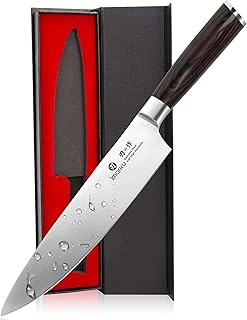
| imarku 8-Inch Japanese Chef Knife | Premium gifting and home chefs | HC steel Gyutou profile with included gift box | 4.6 / 5 |
| imarku 7-Inch Santoku Knife | Precision slicing and dicing | Japanese high-carbon steel, ultra-sharp out of the box | 4.5 / 5 |
| PAUDIN 8-Inch Chef Knife | Family meals and restaurant prep | High-carbon stainless blade with ergonomic handle and gift box | 4.5 / 5 |
How to Choose a/an Chef Knives for Professional Cutting
- Steel Composition: Look for high-carbon stainless or Japanese grades like 10Cr15CoMoV; they hold an edge longer and resist corrosion better than generic stainless.
- Blade Length and Profile: An 8-inch blade suits most tasks, while a 7-inch Santoku excels at thin slicing and rocking cuts on a flat board.
- Tang and Balance: A full tang with riveted construction keeps the knife balanced through long prep sessions and prevents handle wobble over time.
- Handle Ergonomics: Test for a non-slip grip that fills your palm comfortably; ergonomic shapes reduce fatigue during high-volume chopping.
- Edge Geometry and Maintenance: Thinner, sharper edges cut cleaner but may need honing more often; confirm whether the knife is hand-wash only or dishwasher safe before buying.
The Best Chef Knives for Professional Cuttings Reviewed
Best Overall: HOSHANHO 8-Inch Japanese Chef Knife
Built with 10Cr15CoMoV high-carbon steel and a non-slip ergonomic handle, this knife is ideal for line cooks and serious home chefs who need a multifunctional blade that stays sharp through marathon prep sessions without slipping in wet hands.
Best Budget: Amazon Basics 8-Inch Chef’s Knife
With full-tang, three-rivet construction at a fraction of premium pricing, this is the smart first knife for apartment dwellers, students, or anyone who wants dependable performance without a big investment.
Best Premium: imarku 8-Inch Japanese Chef Knife
Its Gyutou profile, HC steel edge, and included gift box make this the standout choice for shoppers buying a meaningful present for a parent or food-loving friend who values both craft and presentation.
Best for Precision Slicing: imarku 7-Inch Santoku Knife
The shorter blade and ultra-sharp Japanese high-carbon steel deliver clean, paper-thin cuts on vegetables, fish, and boneless proteins, making it a go-to for home cooks who prioritize finesse over heavy chopping.
Best for Family & Restaurant Use: PAUDIN 8-Inch Chef Knife
Paired with an ergonomic handle and a sturdy gift box, this high-carbon stainless blade transitions smoothly from weeknight family dinners to high-volume restaurant prep, offering versatility at a mid-range price.
Frequently Asked Questions
Do I need to hand-wash a high-carbon chef knife?
Yes, in most cases. Dishwasher detergents and prolonged moisture can pit high-carbon edges and loosen handle rivets. A quick hand-wash with warm soapy water followed by immediate drying will extend the blade’s life significantly.
What is the difference between a Santoku and a traditional chef knife?
A Santoku typically has a shorter, flatter blade designed for a push-cut motion, while a Western-style chef knife uses a rocking motion. Santoku blades excel at thin slicing; chef knives handle a wider range of tasks including disjointing and mincing.
How often should I sharpen a professional chef knife?
For daily use, a light honing with a steel every few sessions and a full sharpening every four to six weeks keeps the edge performing like new. High-carbon Japanese steels may go longer between sharpenings thanks to superior hardness.
Is a full-tang knife really worth the extra cost?
For professional or heavy daily use, absolutely. A full tang distributes weight evenly, improves control, and prevents the handle from loosening over years of use—issues that partial-tang budget knives can develop.
Final Thoughts
If you want one knife that handles everything from julienning peppers to breaking down a chicken, the HOSHANHO 8-Inch Japanese Chef Knife is the clear winner. Shoppers on a tighter budget will find remarkable value in the Amazon Basics 8-Inch Chef’s Knife, while those seeking a premium gift-ready option should reach for the imarku 8-Inch Japanese Chef Knife. Whichever you choose, pair it with a quality cutting board and a honing steel, and you will notice the difference from the very first cut.