Key takeaways
- The livho High Tech Blue Light Glasses are the best overall choice for most users, with the Okany 3 Pack serving as the top runner-up for
The livho High Tech Blue Light Glasses are the best overall choice for most users, with the Okany 3 Pack serving as the top runner-up for budget-conscious buyers. Shoppers often struggle to distinguish between effective optical filters and mere fashion accessories, leading to purchases that fail to alleviate digital eye strain. This guide cuts through marketing claims to identify verified performers based on lens technology, frame ergonomics, and real-world durability across home office and gaming setups.
Our top picks




As an Amazon Associate we earn from qualifying purchases at no extra cost to you. Ratings are shown as listed on Amazon.
Quick Comparison
| Product | Best For | Standout Feature | Rating |
|---|---|---|---|
| livho High Tech Blue Light Glasses | Daily office use | Balanced clarity and protection | 4.5/5 |
| 98.6% Blue Light Blocking Glasses | Nighttime screen use | Amber high-definition lens | 4.4/5 |
| Okany 3 Pack Blue Light Glasses | Households and backups | Three pairs per purchase | 4.3/5 |
| Horus X Blue Light Blocking Glasses | Extended gaming sessions | Migraine-focused filtration | 4.6/5 |
| Gaoye Blue Light Blocking Glasses | Modern aesthetics | Square frame unisex design | 4.4/5 |
How to Choose Blue Light Glasses for Screen Fatigue
- Lens Filtration Spectrum: Prioritize lenses that specifically block the 400-455nm range where harmful blue-violet light peaks, rather than generic coatings that only tint the lens yellow without measurable spectral data.
- Color Distortion Tolerance: Determine if your work requires color accuracy; clear lenses offer minimal distortion for designers, while amber lenses provide superior sleep support at the cost of altered color perception.
- Frame Weight and Fit: Look for frames under 30 grams with adjustable nose pads or flexible temples to prevent pressure points during eight-plus hour wear sessions.
- Anti-Glare Coating Quality: Verify that lenses include multi-layer anti-reflective coatings to reduce secondary glare from overhead lighting, which compounds fatigue independently of blue light exposure.
- Certification and Testing: Seek products with independent lab test results verifying blocking percentages rather than relying solely on manufacturer claims, as regulatory standards for blue light eyewear remain inconsistent.
The Best Blue Light Glasses for Screen Fatigue Reviewed
Best Overall: livho High Tech Blue Light Glasses
These glasses strike the ideal balance between effective filtration and visual clarity for professionals who need accurate color representation throughout the workday. The lightweight TR90 frame withstands daily handling while maintaining comfort during marathon spreadsheet or coding sessions.
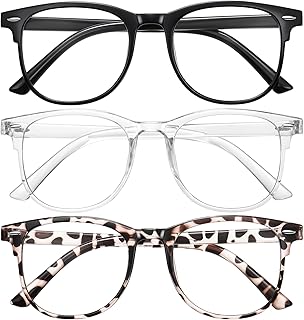
Best Budget: Okany 3 Pack Blue Light Blocking Glasses
This three-pack delivers exceptional value for families or individuals who frequently misplace eyewear, providing identical protection at a fraction of single-pair premium costs. The round unisex design suits most face shapes adequately, making it a practical entry point for those new to blue light mitigation.
Best Premium: Benicci Stylish Blue Light Blocking Computer Glasses
Benicci elevates the category with refined styling and included hard case protection, targeting users who refuse to sacrifice professional appearance for eye health. The anti-glare lens treatment performs noticeably better against harsh office fluorescents compared to budget alternatives.
Best for Sleep Optimization: 98.6% Blue Light Blocking Glasses
The amber high-definition lens blocks nearly all blue spectrum light, making this pair essential for evening gamers or remote workers whose screen time extends past sunset. Users report measurably faster sleep onset when switching from clear daytime glasses to these two hours before bed.
Best for Gaming Endurance: Horus X Blue Light Blocking Glasses
Engineered specifically for prolonged competitive play, these glasses feature enhanced contrast and migraine-targeted filtration that reduces trigger frequency during intense visual processing. The wraparound fit minimizes peripheral light leakage that undermines protection during dark-room gaming environments.
Frequently Asked Questions
Do blue light glasses actually reduce eye strain?
Clinical evidence remains mixed, but many users report subjective relief from dryness and headaches when using verified filtering lenses during extended screen exposure. Benefits likely combine reduced blue light scatter with improved blink rate awareness and placebo effects.
Can I wear blue light glasses over prescription lenses?
Most non-prescription blue light glasses are not designed to fit over existing eyewear; instead, consider clip-on filters or prescription blue light lens upgrades from your optometrist. Some oversized frames accommodate reading glasses underneath, but fit varies significantly by model.
What is the difference between clear and amber lenses?
Clear lenses typically block 20-40% of blue light while preserving color accuracy for daytime professional use. Amber lenses block 90-99% including sleep-disrupting wavelengths, making them superior for evening use but unsuitable for color-sensitive tasks.
How long should I wear blue light glasses each day?
Wear them continuously during screen-intensive activities rather than intermittently, as consistent filtration prevents cumulative strain buildup. Remove them during breaks away from screens to allow natural light exposure and avoid over-adaptation to filtered vision.
Final Thoughts
The livho High Tech glasses remain our top recommendation for balanced daily performance, while the Okany 3 Pack offers unbeatable value for multi-user households. For those experiencing sleep disruption from evening screen time, the 98.6% amber lenses provide targeted intervention that clear daytime glasses cannot replicate.