Key takeaways
- Kitchen cabinets have a way of swallowing everything and giving nothing back. You know the scene: stacked pots that clang loose when you grab one, a
What's inside
Kitchen cabinets have a way of swallowing everything and giving nothing back. You know the scene: stacked pots that clang loose when you grab one, a graveyard of mismatched food-container lids, and a top shelf so high it is basically decorative. The truth is most cabinets waste more than a third of their volume to dead air above shelves and unreachable corners, and reclaiming that space is less about buying more and more about organizing smarter.
This guide walks through a room-by-room strategy for maximizing every cabinet, using proven organizers like expandable shelf risers and lid dividers to unlock the space you already paid for. With a handful of affordable tools and a systematic approach, you can double your usable storage without renovating. Here is how to do it.
As an Amazon Associate we earn from qualifying purchases.



⚡ Save on Your Next PC — Amazon Prime
Prime members get fast free shipping on the systems above, plus early access to Prime Day & Black Friday PC deals. New members get a 30-day free trial.
Watch: How to Organize Your Kitchen Cabinets for Maximum Space — Video Review
Reclaim Vertical Dead Space
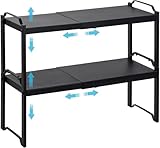
The single biggest waste in most cabinets is the empty air above a shelf. Stackable shelf risers, like the Astrorhine Expandable Cabinet Organizer rated to 88 pounds, create a second tier so plates, mugs, and cans use the full height instead of leaving six inches of unused space up top. Expandable versions adjust to your cabinet width, so one product fits multiple spots.
- Add a riser shelf to double the levels for plates, bowls, and canned goods.
- Use stackable metal organizers to layer items you currently pile precariously.
- Measure cabinet height first so the riser leaves enough clearance for tall items.
Tame the Food Container Chaos
Container lids are the enemy of an organized cabinet. A dedicated lid organizer with adjustable dividers, like the Lifewit 7-section organizer or the EVERIE extendable lid holder, stands lids upright and sorted by size so you stop excavating the pile. Nest the containers themselves together and store lids separately to shrink the whole collection’s footprint dramatically.
Use the Cabinet Doors
The inside of every cabinet door is prime unused real estate. Self-adhesive door-mounted storage boxes, such as the EigPluy wall-mount bins, hold wraps, foil, sponges, or small tools right where you need them without taking a single inch of shelf. This is one of the highest-impact, lowest-effort upgrades you can make.
Zone by Function and Frequency
Organize with logic, not habit. Keep daily items at eye level and arm’s reach, relegate rarely used gear to the high or deep shelves, and group by task, baking supplies together, everyday dishes together. Countertop organizers like the HENABLE acrylic caddy can hold frequently grabbed items outside the cabinet entirely, freeing interior space for the rest.
Tips
- Empty a cabinet completely before reorganizing so you can see everything and purge duplicates.
- Choose expandable organizers like the Astrorhine or the Set of 2 adjustable shelves so they fit varied cabinet widths.
- Store container lids vertically in a divided organizer to end the lid avalanche for good.
- Mount storage on the inside of cabinet doors to gain a whole extra “shelf” of space per door.
Frequently Asked Questions
How do I create more space in cabinets without adding shelves?
Use expandable shelf risers to exploit the dead air above each shelf, mount storage on the inside of cabinet doors, and add lid organizers to compress bulky container collections. These reclaim existing volume rather than requiring new cabinetry.
What is the best way to organize food container lids?
Store lids upright in a divided lid organizer, like the Lifewit or EVERIE, sorted by size, and nest the containers together separately. This stops lids from scattering and cuts the collection’s footprint by more than half.
Are cabinet shelf organizers strong enough for dishes?
Yes. Sturdy models like the Astrorhine hold up to 88 pounds, easily supporting stacks of plates or rows of cans. Just confirm the weight rating and that the riser is stable before loading it heavily.
How do I decide what goes where?
Zone by frequency and function: daily dishes at eye level, occasional gear up high or deep, and grouped by task. Keep the items you reach for most in the easiest spots and push rarely used pieces to the hardest-to-reach areas.
Conclusion
Maximizing kitchen cabinet space is mostly about capturing volume you already have: the air above shelves, the backs of doors, and the chaos of the lid drawer. Add a few expandable risers, a lid organizer, and some door-mounted bins, then zone everything by how often you use it, and even a small kitchen suddenly holds far more with far less hunting. Start with one cabinet this weekend and the system will pay off every single day.